


Unveiling the Science: Is the ‘Magic German Gel’ Truly Able to Regrow Cartilage?
The Science Behind the “Magic” Gel
At its heart, the "magic German gel" is designed to kickstart the body’s natural ability to repair damaged cartilage. Cartilage is the smooth, firm tissue that covers the ends of bones where they meet at the joints, enabling movement without friction. Unfortunately, cartilage has very limited capacity to heal itself because it lacks its own blood supply. Unlike treatments that simply patch up damaged areas or replace tissue with synthetic materials, this gel aims to encourage the body’s own cells to regenerate true, functional cartilage.
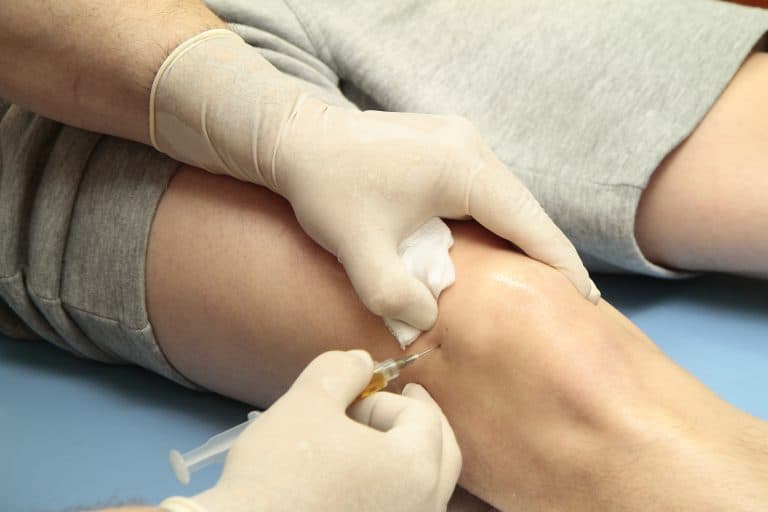
The gel is applied directly to the damaged cartilage, where it interacts with the surrounding tissue to activate progenitor or stem cells—the body’s repair agents. These cells then multiply and transform into cartilage cells, known as chondrocytes, helping to restore the damaged area. This process contrasts with traditional microfracture surgery, which tries to stimulate healing by creating tiny holes in the bone but often results in weaker scar-like fibrocartilage rather than the original smooth hyaline cartilage.
Intriguingly, recent research describes the gel as “a bi-phasic structure, where the 60% nonfibrillar hydrogel proportion dominates the mechanical response.” In simpler terms, this means the gel is made up of two distinct parts, one resembling the cartilage’s structural fibres and the other a gel-like substance, combining to create a material designed to support cartilage repair.
What Does the Evidence Show? MRI, Imaging, and Patient Outcomes
Studies using MRI scans, which provide detailed images of soft tissues like cartilage, have shown some encouraging signs. In certain patients, cartilage defects treated with this gel gradually fill with new tissue over time, suggesting real cartilage regrowth rather than just scar tissue formation. However, the quality and long-term durability of this new cartilage can vary and remain under careful review by researchers.
Scientific analyses also highlight that the gel itself has unique mechanical properties. One study notes, “ChondroFillerliquid shows the most pronounced viscous effects,” meaning it behaves somewhat like natural cartilage in how it responds to pressure and movement. The mechanical behaviour of cartilage is vitally important because it influences how cartilage cells sense their environment and respond—a process called mechanotransduction. This is central not just to healthy cartilage function, but also to the development and progression of joint diseases like osteoarthritis.
On the clinical side, patients treated with this gel have reported meaningful improvements. For example, one study observed not only an “improvement in pain symptoms” but also increased grip strength and better joint function, with some patients showing reduced joint swelling and bone irritation on MRI scans. These results point to the potential of gel-based treatments to offer symptom relief and functional gains, especially when applied to suitable patients.
Free non-medical discussion
Not sure what to do next?
Information only · No medical advice or diagnosis.
Who Benefits Most? Understanding Patient Profiles and Limitations
This type of cartilage repair tends to work best in younger patients or those with well-defined, localised cartilage injuries who have not yet developed widespread joint damage. People with moderate cartilage loss who have not responded well to conservative treatments—like physical therapy or pain medication—may also be good candidates.
However, it’s important to note that the gel is not a miracle cure for severe osteoarthritis or advanced joint degeneration. Its effectiveness depends on factors such as the size and location of the cartilage defect and overall joint health. Hence, it’s not a one-size-fits-all solution. Expert assessment is crucial to determine who is likely to benefit.
Professor Paul Lee, an experienced orthopaedic surgeon and rehabilitation expert, emphasises this point: each patient requires a personalised approach that sets realistic goals based on solid evidence rather than hype.

The Role of Expertise: How the London Cartilage Clinic Approaches Treatment
At the London Cartilage Clinic, patients receive personalised care from a team experienced in managing cartilage injuries with the latest evidence-based methods. Their approach combines thorough diagnostics, advanced treatment options—including novel therapies like the “magic German gel”—and tailored rehabilitation to support recovery.
While the clinic offers access to cutting-edge treatments, it does not claim to have invented or exclusively provide the gel. Professor Paul Lee serves as the clinic’s Cartilage Expert and advisor, lending his considerable knowledge to ensure safe and effective care. Under his guidance, patients receive balanced information to help them make informed decisions about their treatment options.
Conclusion
In summary, the “magic German gel” shows promising potential in helping regenerate cartilage in carefully selected patients, with encouraging signs on imaging and positive clinical outcomes. However, it is not a universal solution or a guaranteed cure for all cartilage problems. Successful treatment depends on expert evaluation, realistic expectations, and appropriate patient selection.
If you suffer from joint pain or cartilage damage and want to explore treatment options, it’s important to consult a qualified healthcare professional for personalised advice.
References
Weizel, A., Distler, T., Schneidereit, D., & Friedrich, O. (2020). Complex mechanical behavior of human articular cartilage and hydrogels for cartilage repair. Acta Biomaterialia. https://doi.org/10.1016/j.actbio.2020.10.025
Corain, M., Zanotti, F., Giardini, M., Gasperotti, L., Invernizzi, E., Biasi, V., & Lavagnolo, U. (2023). The Use of an Acellular Collagen Matrix ChondroFiller® Liquid for Trapeziometacarpal Osteoarthritis.
De Lucas Villarrubi, J. C., Méndez Alonso, M. Á., Sanz Pérez, M. I., Trell Lesmes, F., & Panadero Tapia, A. (2021). Acellular matrix-induced chondrogenesis technique improves the results of chondral lesions associated with femoroacetabular impingement. Arthroscopy. https://doi.org/10.1016/j.arthro.2021.08.022
Frequently Asked Questions
- The ‘magic German gel’ stimulates the body’s repair cells to regenerate true cartilage, not just scar tissue. This supports restoration of smooth joint surfaces, encouraged further by the expertise at London Cartilage Clinic under Professor Lee’s evidence-based care.
- London Cartilage Clinic stands out by offering personalised, evidence-led care guided by Professor Paul Lee, a respected Cartilage Expert. Patients benefit from the latest diagnostic tools, innovative treatments like the ‘magic gel,’ and well-structured rehabilitation programmes tailored to individual needs.
- Younger individuals or those with localised cartilage injuries, who haven’t responded to conservative treatments, may benefit most. Professor Lee’s detailed assessment at London Cartilage Clinic ensures patients receive honest guidance on whether this treatment suits their specific condition.
- Professor Paul Lee is a renowned Cartilage Expert and Royal College of Surgeons Ambassador. With extensive experience and advisory roles, he’s committed to delivering personalised, safe, and effective cartilage repair options at London Cartilage Clinic for the best possible outcomes.
- Results can vary depending on the patient’s condition and injury specifics. London Cartilage Clinic, led by Professor Lee, provides balanced, realistic information and careful expert evaluation to help patients understand their options without making any promises or guarantees.
Legal & Medical Disclaimer
This article is written by an independent contributor and reflects their own views and experience, not necessarily those of London Cartilage Clinic. It is provided for general information and education only and does not constitute medical advice, diagnosis, or treatment.
Always seek personalised advice from a qualified healthcare professional before making decisions about your health. London Cartilage Clinic accepts no responsibility for errors, omissions, third-party content, or any loss, damage, or injury arising from reliance on this material.
If you believe this article contains inaccurate or infringing content, please contact us at [email protected].
London Cartilage Clinic
Modern treatments, designed for lasting knee outcomes
Every treatment plan is selected to help you return to the quality of life you deserve. Our team combines up-to-date techniques with consultant-led decision making across cartilage repair, regeneration and replacement.
What your journey can look like
Step 01
Consultant-Led Assessment
Symptoms, imaging and goals reviewed in one structured appointment.
Step 02
Personalised Treatment Plan
A clear route chosen from repair, regeneration or replacement options.
Step 03
Precision Delivery
Modern techniques and specialist equipment matched to your diagnosis.
Step 04
Long-Term Knee Health
Follow-up guidance focused on durable function and quality of life.
Will the Arthrosamid work for me
PAAG-8+ Questionnaire
A bright, structured entry point for patients exploring Arthrosamid. The questionnaire helps frame suitability, expectations, and 24-month clinical benefit discussion before a fuller consultant-led review.
Designed for shared decision-making. It does not replace specialist consultation, examination, imaging review, or formal medical advice.